
Authentication and Fraud Detection: Voice Biometrics Solves It.
Historically, human beings have sought...


Historically, human beings have sought...
Historically, human beings have sought ways to evade controls, to violate laws or regulations to gain some kind of advantage. In contact centers, this is no exception - hundreds of thousands of calls are received daily, and there is a percentage of them that could fall victim to deception or fraud, almost always with an economic impact on the real customer and/or the service provider company. Today this already has a solution. We are talking about a technology that has entered the markets and dates back to the 2000s when it began to be developed. Voice biometrics is a solution that allows people to be identified through their vocal fingerprint, but what level of certainty does it have? Each of us has a unique vocal apparatus, similar to our fingerprints. Voice can be used to identify us without the need for a password or validations through questions. With this type of technology, we can make interactions with customers more fluid and improve their experience by making each contact faster and more effective, simply by validating that the person being interacted with is the correct one through their voice. This technology opens up a world of possibilities, since it not only allows us to authenticate a person, but through the analysis of tone, rhythm, speed, accent and other factors, we can even prevent fraud by determining sentiment and associating automatic alerts when the system detects something irregular in calls. There are two key parts in the process of using this technology. The first is enrollment - a speaking time that the user needs to perform so that their voice becomes a vocal fingerprint. The second aspect is verification - just a few seconds will be enough for the system to identify whether the speaking user is the account holder. The same can be done throughout the entire call to ensure that the conversation was always with the right person, making it easier to conduct transactions on services and provide assistance regarding sensitive customer information. Identifying when agents are interacting with an upset customer or when the telephone advisor themselves is not having their best day through their tone of voice will allow us to take immediate action to make the customer experience exceed their expectations. To conclude, with this type of technology we manage to win the battle on several fronts: reducing service times, increasing satisfaction, increasing security and decreasing the risk of possible fraud, providing peace of mind and confidence to customers who will see us as companies committed to innovation.
A topic that is increasingly...
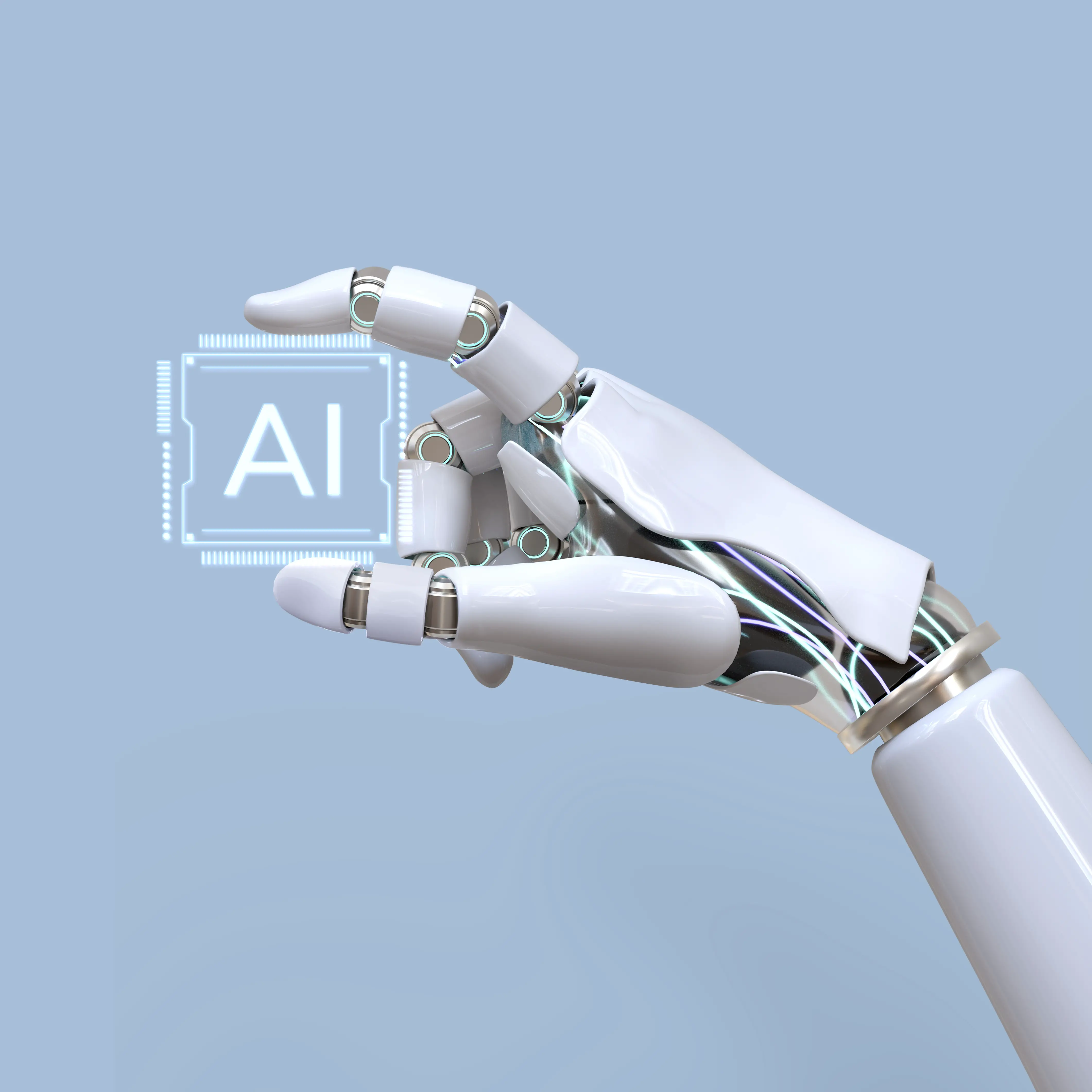
A topic that is increasingly discussed in various forums is the future of work as we know it. The incorporation of robots to execute tasks that were previously performed by people is becoming more common across all types of industries, and contact centers are no exception, with technologies like RPA gaining more ground every day. But will Robots eventually replace humans?... I recently heard Elon Musk at a conference, recognized worldwide for several projects like SpaceX and owner of Tesla, Twitter now X among other companies. Musk indicated that in the future, robots will be able to do almost any human job with extremely high precision and 24/7 availability. Additionally, he mentioned that the cost of living as a result of this would drop substantially and that Governments should be concerned with providing people with bonuses or subsidies that allow them to consume products or services since they would practically be displaced in the jobs they performed to generate income by robots. To some extent, this may seem like madness - we would live a life similar to Pixar's Wall-E movie, in which humans spent the minimum amount of energy on all types of tasks, becoming obese and unproductive. All of this, combined with the growing wave of artificial intelligence tools, could make us think that we are approaching a human devolution. In that sense, I believe that, just as up to now we have gone from voice telephone communication to practically conducting many transactions autonomously through mobile applications or 100% digital channels like chatbots, websites, etc., and this has not necessarily caused people to become unemployed, it is very important that the next generations and the current ones make that necessary leap towards understanding these new technologies, which are here to stay, which when used properly are a great advantage for human beings, and that people who are adequately prepared to know how to handle them will have a differentiating element in the work world that will be increasingly valued by small, medium and large companies. Just as the different industrial revolutions have taken a turn by incorporating new technologies, humans have adapted to benefit from them and make the most of them. I think that this fourth industrial revolution we are experiencing is in its initial stage and will allow us as a race to take our knowledge and capabilities to another level. This is how for contact center companies that provide service to humans, a very wide spectrum opens up to use these types of tools to provide a first-class customer experience, at a much faster, more accurate speed, saving time in personnel training and automating workflows that today do not add value and divert attention toward routine tasks that can be executed by BOTS, allowing humans to focus on what's important. To close this article, I will use a phrase from a Netflix series, which I will leave for each person in their minds to identify, but which expresses very much what companies in general, and especially BPOs, must do if we don't want to be left behind... "It's time to start the game."